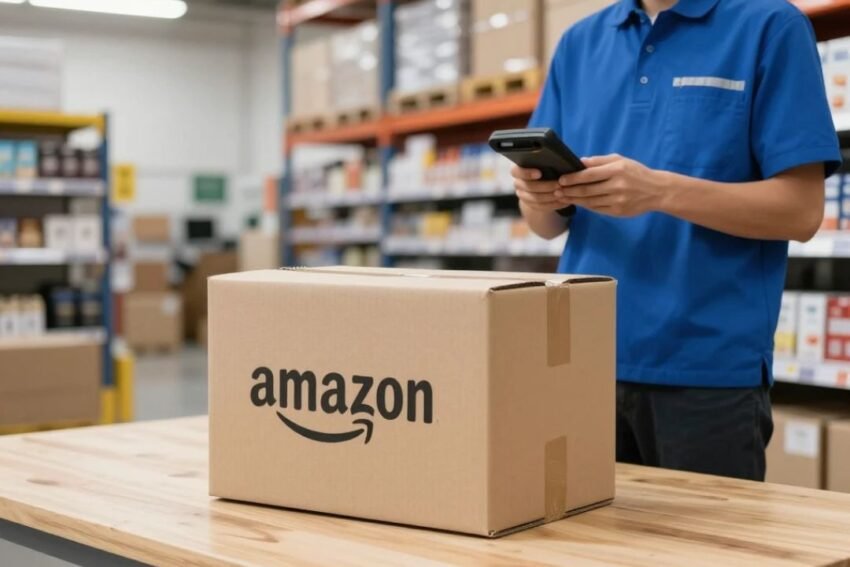
Amazon is one of the most recognized names in online shopping and digital technology. Millions of people around the world use Amazon to purchase products, compare prices, read customer reviews, stream entertainment, store files, and access a wide range of digital services. But what exactly is Amazon, and how does Amazon work?
For beginners, Amazon can seem like a simple online store. In reality, it is a large technology and commerce company that connects customers, sellers, manufacturers, delivery networks, and digital service providers through its platform.
This complete guide explains what Amazon is, how Amazon works, how its marketplace operates, how sellers make money, how Amazon delivers products, and why the company has become such an important part of modern e-commerce.
What Is Amazon?
Amazon is a global technology and e-commerce company that operates an extensive online marketplace. The company was founded by Jeff Bezos in 1994, initially as an online bookstore. It began selling books over the internet before expanding into many other categories.
Today, Amazon offers a huge selection of physical and digital products. Depending on the country and marketplace, customers can find electronics, clothing, groceries, home products, beauty items, books, computers, toys, appliances, and many other goods.
Amazon is not only an online shopping platform. Its broader business includes areas such as cloud computing, digital entertainment, advertising, logistics, smart devices, and subscription services.
In simple terms, Amazon is a technology-driven marketplace that allows customers to discover, purchase, and receive products and services through digital platforms.
How Does Amazon Work?
The basic Amazon shopping process is relatively simple.
A customer visits the Amazon website or mobile application and searches for a product. Amazon displays relevant listings from different sellers and, in some cases, products sold directly by Amazon.
The customer can compare prices, product descriptions, ratings, reviews, shipping options, and seller information. After choosing an item, the customer adds it to the shopping cart and completes the checkout process.
The order is then processed. Depending on the seller and fulfillment method, the product may be stored in an Amazon fulfillment center, a seller’s warehouse, or another distribution facility.
The product is packed and shipped to the customer. After receiving the order, the customer may leave a review or rating.
Behind this simple process is a complex network of software, warehouses, delivery partners, payment systems, sellers, and customer-service operations.
Amazon as an Online Marketplace
One of the most important things to understand about Amazon is that it operates as a marketplace.
Amazon can sell products directly, but independent businesses can also use Amazon to sell their products. This means customers may see several offers for similar products from different sellers.
For example, if someone searches for headphones, the search results may include:
- Products sold directly by Amazon
- Products sold by independent businesses
- Products fulfilled by Amazon
- Products shipped directly by third-party sellers
- Different brands and product variations
This marketplace model gives customers more choices while allowing businesses of different sizes to reach a large audience.
How Amazon Sellers Work
Amazon sellers create product listings and offer their products through the marketplace. Sellers are responsible for choosing products, setting prices, managing inventory, and following Amazon’s marketplace policies.
A seller may manufacture products themselves or purchase goods from manufacturers and suppliers.
Once a product is listed, customers can find it through Amazon’s search system. The seller receives orders when customers purchase the product.
Amazon generally earns money from marketplace activity through various fees and services. Depending on the selling arrangement, sellers may pay fees related to referrals, fulfillment, storage, advertising, subscriptions, or other services.
This business model allows Amazon to operate a marketplace without owning every product listed on its platform.
What Is Amazon FBA?
One of Amazon’s major services for sellers is Fulfillment by Amazon, commonly known as FBA.
With FBA, sellers can send inventory to Amazon fulfillment centers. Amazon can then handle important parts of the order process, including storing products, picking and packing orders, shipping products, and handling certain aspects of customer service and returns.
For sellers, FBA can simplify logistics. Instead of maintaining their own warehouse and shipping every order manually, they can use Amazon’s fulfillment infrastructure.
FBA can also make eligible products available for shipping options associated with Amazon’s fulfillment network.
However, sellers must consider fulfillment, storage, referral, and other applicable costs before deciding whether FBA is appropriate for their business.
How Amazon Makes Money
Amazon has a diversified business model. Its revenue comes from several major areas rather than only from product sales.
1. Online Stores
Amazon earns revenue from products sold through its own online retail operations. It purchases or sources products and sells them to customers.
2. Third-Party Seller Services
Independent sellers use Amazon’s marketplace to reach customers. Amazon can earn fees from these transactions and related services.
3. Amazon Web Services
Amazon Web Services (AWS) is Amazon’s cloud computing business. AWS provides computing power, databases, storage, networking, artificial intelligence tools, security services, and other technology infrastructure to businesses and organizations.
Cloud computing has become an important part of Amazon’s overall business.
4. Advertising
Businesses can pay to promote their products and brands on Amazon. Sponsored product placements and other advertising solutions help sellers reach customers who are already searching for products.
5. Subscription Services
Amazon also earns money through subscription-based services. Depending on the market, these can include Prime membership and various digital entertainment services.
What Is Amazon Prime?
Amazon Prime is a subscription program that provides members with a collection of benefits. The exact benefits vary by country.
Depending on the location, Prime may include shipping benefits, access to movies and television programs, music services, special shopping events, and other offers.
One major attraction of Prime is the convenience it provides to frequent Amazon customers. Instead of treating every purchase as an individual shopping experience, members can access a broader package of services through one subscription.
Prime also plays an important role in Amazon’s customer-retention strategy because members may be more likely to continue using Amazon when they receive multiple benefits from the service.
How Amazon Delivers Products
Amazon’s delivery system is one of the most important parts of its business.
After a customer places an order, the product needs to move from inventory to the customer’s address. Amazon uses fulfillment centers, transportation networks, delivery partners, technology systems, and logistics operations to coordinate this process.
A typical fulfillment process may involve:
- Receiving the customer order
- Locating the product in inventory
- Picking the product
- Packing the order
- Assigning a shipping method
- Transporting the package
- Delivering it to the customer
Technology helps Amazon organize inventory and determine efficient ways to process and deliver orders.
Delivery speed depends on factors such as product availability, customer location, seller fulfillment method, shipping option, and local logistics infrastructure.
How Amazon Search Works
When customers search for products on Amazon, they receive results based on a variety of factors.
Amazon’s search and recommendation systems help customers discover products that may be relevant to their queries. Product information, availability, customer engagement, seller performance, pricing, and other factors can influence how products are presented.
Amazon also uses personalized recommendations.
For example, after viewing or purchasing certain products, a customer may receive suggestions for related products. This can make the shopping experience more personalized and help customers discover items they may not have originally searched for.
Why Customer Reviews Matter on Amazon
Customer reviews are a major part of the Amazon shopping experience.
Before buying a product, shoppers often look at:
- Star ratings
- Written reviews
- Customer photos
- Questions and answers
- Verified purchase information
- Recent customer feedback
Reviews can help shoppers understand how a product performs in real-world situations.
However, customers should not rely on a single review. A better approach is to look for common patterns across multiple reviews and pay attention to recent feedback.
Advantages of Amazon
Amazon has become popular because it offers several advantages to customers.
Large Product Selection
Customers can find products from many categories in one place.
Convenience
Online shopping allows people to search for and purchase products without visiting multiple physical stores.
Product Comparison
Customers can compare prices, features, ratings, reviews, and sellers.
Multiple Sellers
Marketplace competition can provide shoppers with more choices.
Delivery Options
Depending on the location and product, customers may have access to different shipping options.
Digital Services
Amazon has expanded beyond physical products into entertainment, cloud computing, advertising, devices, and other digital services.
Potential Disadvantages of Amazon
Despite its convenience, Amazon also has potential disadvantages.
The large number of sellers and listings can sometimes make it difficult to determine which product is the best choice. Similar-looking products may have different quality levels, warranties, or seller policies.
Prices can also change frequently. A product that appears inexpensive today may have a different price later.
Customers should also carefully check the seller, product specifications, return policy, shipping information, and reviews before purchasing.
For sellers, Amazon’s fees and competition can also be significant considerations. Businesses need to calculate their costs carefully to determine whether selling through Amazon is profitable.
Is Amazon Safe to Use?
Amazon provides various security and account-protection features, but customers should still follow basic online shopping practices.
Use a strong and unique password for your account and avoid sharing login information. Be careful with suspicious emails or messages requesting payment details or account credentials.
Before purchasing an expensive product, check the seller information, reviews, return conditions, warranty details, and product specifications.
Customers should also use official Amazon websites or applications rather than clicking suspicious links that claim to provide account or order information.
Amazon for Businesses
Amazon is not only useful for consumers. It is also an important platform for businesses.
Small businesses can use Amazon to reach customers without building a large independent e-commerce website from scratch. Established brands can also use the marketplace to expand their online presence.
Businesses can potentially use Amazon for:
- Product sales
- Advertising
- Fulfillment
- Inventory management
- Customer reach
- Brand promotion
- International expansion
However, success on Amazon usually requires careful product research, competitive pricing, strong listings, reliable inventory, good customer service, and effective marketing.
The Role of Technology in Amazon
Technology is at the center of Amazon’s business model.
The company uses software and data systems to support shopping, search, recommendations, inventory management, payments, logistics, advertising, cloud computing, and customer service.
Automation and artificial intelligence can also help businesses manage large volumes of information and transactions.
This technology-focused approach is one reason Amazon has developed from a small online bookstore into a broad digital commerce and technology company.
What Makes Amazon Different From a Traditional Store?
A traditional store usually has a physical location where customers browse products and complete purchases.
Amazon provides a digital shopping environment where customers can access a large marketplace from a computer or smartphone.
Traditional stores may have limited shelf space, while online marketplaces can display a much wider selection. Amazon also combines shopping with digital services, cloud computing, advertising, logistics, and subscription products.
The result is an ecosystem rather than simply a conventional retail store.
Frequently Asked Questions About Amazon
What is Amazon in simple words?
Amazon is a global technology and e-commerce company that operates an online marketplace where customers can purchase products and access various digital services.
Who founded Amazon?
Amazon was founded by Jeff Bezos in 1994.
Is Amazon only an online shopping website?
No. Amazon operates businesses in areas including online retail, cloud computing, advertising, digital entertainment, logistics, and subscription services.
What is Amazon FBA?
Amazon FBA, or Fulfillment by Amazon, is a service that allows sellers to send inventory to Amazon fulfillment centers so Amazon can handle various parts of storage, packing, shipping, and customer-service operations.
What is Amazon Prime?
Amazon Prime is a paid membership program offering various benefits, which can include shipping and digital entertainment benefits depending on the country.
Can small businesses sell on Amazon?
Yes. Small businesses and individual sellers can use Amazon’s marketplace, subject to Amazon’s requirements, fees, and policies.
Final Thoughts
So, what is Amazon and how does it work? At its core, Amazon is a technology-powered commerce platform that connects customers with products, sellers, and services.
Its business model goes far beyond online shopping. Amazon operates a marketplace for third-party sellers, provides fulfillment services, offers subscription programs, runs a major cloud computing business through AWS, and provides advertising and digital entertainment services.
For consumers, Amazon offers convenience, product variety, reviews, comparison tools, and different delivery options. For businesses, it provides access to a large customer base and a range of tools for selling, advertising, and fulfillment.
Understanding how Amazon works is useful whether you are a regular online shopper, a new seller, a business owner, or simply interested in modern e-commerce.
As online shopping and digital services continue to evolve, Amazon remains an important example of how technology can connect commerce, logistics, entertainment, advertising, and cloud computing within one large business ecosystem.