Introduction
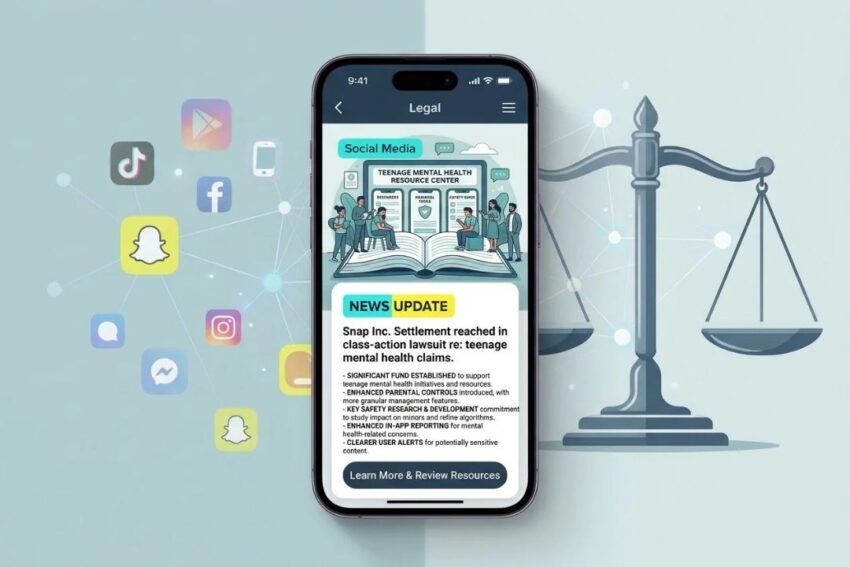
Snap Inc., the company behind the popular social media platform Snapchat, has reached a settlement with two teenage plaintiffs in a major legal case examining the potential effects of social media on young people’s mental health. The agreement came during a closely watched trial in Los Angeles, where allegations involving depression, anxiety, eating disorders, and excessive social media use were being examined.
The case is part of a much larger legal battle involving technology companies and claims that certain social media platforms use design features that encourage young users to spend excessive amounts of time online. The plaintiffs argued that features such as endless scrolling, notifications, autoplay videos, and engagement rewards contributed to unhealthy online habits and affected their emotional well-being.
The settlement involving Snap represents another important development in the growing discussion about social media responsibility and youth protection. It also follows agreements involving other major technology companies named in the same legal dispute.
Although the settlement resolves the claims covered by the agreement, the wider debate about social media addiction, platform design, and teenage mental health remains ongoing.
Snap Agrees to Settle Claims From Two Teenagers
Snap reached an agreement with two teenage plaintiffs while the Los Angeles trial was underway. The legal dispute focused on allegations that social media platforms were designed in ways that encouraged compulsive use among children and teenagers.
The plaintiffs claimed that their experiences with social media contributed to serious personal and emotional difficulties, including depression, anxiety, and disordered eating.
The case was particularly significant because it was selected as a test case within a broader group of lawsuits involving social media companies. The outcome of such cases could help shape future legal discussions about the responsibilities of technology businesses toward younger users.
According to the allegations, the platforms involved used engagement-focused features that encouraged users to return repeatedly and remain active for extended periods.
Snap was among several major companies facing claims connected to these concerns. The plaintiffs had also pursued legal claims involving Meta, TikTok, and YouTube.
Before Snap reached its settlement, the claims against the other companies had already been resolved through separate agreements.
The financial details of Snap’s settlement were not publicly disclosed in the initial reporting.
It is also important to distinguish a settlement from a court judgment. An agreement does not necessarily mean that a company admits wrongdoing or that a jury has determined that its products caused the alleged injuries.
What the Teenagers Alleged in the Lawsuit
The two plaintiffs, identified as S.J. and K.D.B., described their experiences using social media from a young age.
Their allegations centered on how repeated exposure to social media platforms affected their everyday routines, behavior, and mental health.
They argued that the companies developed features that encouraged prolonged engagement and made it difficult for younger users to disconnect.
The lawsuit connected their social media experiences with several alleged problems, including:
- Depression and anxiety symptoms.
- Eating disorders and unhealthy body image concerns.
- Disrupted sleeping patterns.
- Compulsive online behavior.
- Emotional distress.
- Difficulties managing everyday responsibilities.
The teenagers argued that their experiences were not simply the result of choosing to use social media. Instead, they focused on how platform design allegedly influenced their behavior.
Their claims brought attention to a broader question: Should social media companies face legal responsibility when the design of their products allegedly contributes to harm among young users?
This question has become increasingly important as social media platforms play a larger role in the everyday lives of children and teenagers.
How Snapchat Features Became Part of the Legal Dispute
Snapchat offers several features intended to encourage communication, sharing, and interaction between friends.
However, the lawsuit raised concerns about whether certain engagement tools could encourage excessive use, especially among younger audiences.
Infinite Scrolling and Continuous Engagement
Infinite scrolling allows users to move through content without reaching a natural ending point.
Instead of completing a page or activity, users can continue swiping to discover additional content.
The plaintiffs argued that this type of design encourages people to spend more time on social media than they initially intended.
Although infinite scrolling is widely used across digital platforms, its possible effects on younger audiences have become an important subject of discussion.
Notifications and Repeated App Visits
Notifications are another feature examined in discussions about social media engagement.
Snapchat can notify users when friends send messages, share content, or interact with their accounts.
These alerts can make communication easier, but frequent notifications may also encourage repeated visits throughout the day.
The plaintiffs alleged that engagement-focused notifications contributed to their difficulty controlling social media use.
Snapstreaks and Social Rewards
Snapstreaks are one of Snapchat’s recognizable features.
They track consecutive days of communication between users, encouraging friends to continue exchanging messages or photographs.
For many people, Snapstreaks are simply a fun way to maintain contact. However, the plaintiffs argued that these features could create pressure to interact with the application every day.
The lawsuit raised questions about whether digital rewards and activity tracking can influence the behavior of teenagers who are still developing their habits and self-control.
Filters and Body Image Concerns
Another issue involved Snapchat’s appearance-related filters.
These tools allow users to change the way their photographs look by modifying facial features, skin appearance, and other visual characteristics.
The plaintiffs alleged that exposure to appearance-focused content and filters contributed to body image concerns and eating-related difficulties.
The issue reflects wider concerns about social media beauty standards and the pressure some young people experience when comparing themselves with edited photographs and idealized images.
However, individual experiences differ, and these allegations should not be interpreted as proof that Snapchat causes eating disorders in all users.
Why the Snap Settlement Matters for the Technology Industry
The settlement is significant because it comes amid growing legal scrutiny of social media companies across the United States.
Thousands of lawsuits have been filed against major technology businesses over claims involving addictive platform design and alleged mental health injuries.
The cases involve different plaintiffs, legal arguments, and circumstances, but many share a common concern: whether technology companies should be held responsible for the potential effects of their products on young people.
One important aspect of this litigation is its focus on product design.
Rather than examining only harmful posts or individual online interactions, plaintiffs are also questioning the systems that determine how users receive and interact with content.
This distinction could become important in future court proceedings.
If courts find that particular design practices contributed to legally recognized injuries, technology companies could face additional pressure to change their products and safety policies.
However, the outcome of each case will depend on its individual evidence and applicable legal standards.
Meta, TikTok, and YouTube Were Also Involved
Snap was not the only major technology company named in the teenagers’ legal claims.
The original case also involved Meta Platforms, TikTok, and YouTube.
Each company operates a major digital platform used by millions of people, including younger audiences.
The plaintiffs argued that the platforms shared design characteristics that encouraged frequent engagement and prolonged usage.
Meta operates Facebook and Instagram, while YouTube is owned by Alphabet. TikTok is widely known for its short-form video content and personalized recommendation system.
The claims involving these businesses were resolved through separate settlements before Snap reached its agreement.
This sequence of settlements attracted attention because it demonstrated how several technology companies were responding to the same broader legal dispute.
Nevertheless, each settlement should be considered separately. An agreement involving one company does not automatically establish liability for another company or determine the outcome of unrelated lawsuits.
Previous Court Verdict Increased Attention on Social Media Addiction
The Snap settlement also follows another major development in social media litigation.
An earlier Los Angeles case involving Meta and YouTube resulted in a jury finding the companies negligent and awarding a young woman $6 million in damages.
The earlier verdict received significant attention because it demonstrated that allegations about social media platform design and mental health could be examined through a jury trial.
It also increased public interest in other pending cases involving similar claims.
However, the previous verdict and the settlement involving Snap are separate legal matters.
A jury verdict represents a decision reached through a court process, while a settlement is an agreement between parties to resolve a dispute.
The distinction matters because settlements do not automatically establish legal responsibility or create a finding that every similar platform has caused the same type of harm.
The Connection Between Social Media and Teenage Mental Health
The legal dispute has also brought renewed attention to the relationship between social media and adolescent mental health.
For many teenagers, digital platforms are an important part of everyday life. They provide opportunities to communicate with friends, discover new interests, share personal experiences, and participate in online communities.
At the same time, excessive social media use can raise concerns about sleep, concentration, online harassment, self-esteem, and body image.
Social Comparison and Self-Esteem
One concern involves the tendency to compare personal appearance and lifestyles with content shared online.
Photographs and videos often show carefully selected moments rather than everyday reality.
Teenagers who frequently encounter idealized images may feel pressure to meet unrealistic expectations about appearance, popularity, or lifestyle.
Sleep and Daily Routines
Late-night social media activity can also interfere with healthy sleeping routines.
Notifications, messages, and continuously available content may encourage some users to remain online longer than intended.
Insufficient sleep can affect concentration, mood, and daily activities.
Online Pressure and Emotional Well-Being
Social media interactions can sometimes create pressure to respond quickly, maintain online relationships, or receive approval through likes and comments.
Negative interactions, cyberbullying, and unwanted comparisons may also contribute to emotional distress.
Nevertheless, the relationship between social media and mental health is complex. Research does not establish that every teenager experiences the same effects or that one platform alone explains an individual’s mental health condition.
How Social Media Companies Are Responding to Safety Concerns
Technology companies have faced increasing pressure to explain how they protect younger users.
Snap and other platforms have introduced or promoted various safety tools designed to help users and families manage online experiences.
These measures include parental supervision features, privacy settings, age-related protections, and controls that allow users to manage notifications and interactions.
Companies argue that social media provides important opportunities for communication and creativity and that they continue working to improve safety.
However, critics have questioned whether existing protections are sufficient.
The ongoing lawsuits may encourage further examination of how companies evaluate potential risks before introducing new features.
They could also increase demand for clearer information about platform design, age-appropriate settings, and the effects of engagement-based systems.
What Parents Can Do to Encourage Healthier Social Media Habits
While the legal proceedings continue, parents and guardians can take practical steps to help teenagers develop a balanced relationship with digital technology.
Some useful approaches include:
- Create reasonable screen-time boundaries: Establish routines that leave room for schoolwork, hobbies, exercise, and family activities.
- Manage notifications: Reduce unnecessary alerts, particularly during homework and sleeping hours.
- Discuss online content: Encourage teenagers to think critically about edited photographs and unrealistic beauty standards.
- Promote offline activities: Support friendships, sports, reading, and other interests outside social media.
- Talk about cyberbullying: Make sure teenagers feel comfortable discussing negative online experiences.
- Use available safety tools: Explore privacy settings and parental supervision features where appropriate.
- Recognize warning signs: Persistent emotional distress, changes in sleeping habits, or eating-related concerns may require professional support.
These steps can help families approach social media use thoughtfully without assuming that all online activity is harmful.
What Happens Next in Social Media Addiction Litigation?
Snap’s agreement with the two teenagers resolves the claims covered by that particular settlement, but it does not bring an end to the wider legal controversy.
Thousands of other claims involving social media companies remain part of the broader litigation landscape.
Future proceedings may examine issues such as product design, corporate knowledge of potential risks, youth safety measures, and the relationship between digital engagement and mental health injuries.
The legal arguments could also influence how technology companies approach new product features.
For example, companies may face increased scrutiny over recommendation algorithms, autoplay functions, notifications, and other engagement tools.
At the same time, courts will need to evaluate the available evidence carefully and distinguish between allegations, scientific findings, and legally established responsibility.
The results of future cases could help clarify the responsibilities of social media businesses and the protections available to younger users.
Conclusion
Snap’s settlement with two teenage plaintiffs represents another major development in the growing legal debate surrounding social media addiction and youth mental health.
The case focused on allegations that Snapchat and other digital platforms used engagement-driven features that encouraged excessive use and contributed to problems such as depression, anxiety, and eating disorders.
Although Snap’s settlement resolves the claims covered by the agreement, it does not establish a general legal finding that the platform caused the teenagers’ alleged injuries.
The wider litigation continues to raise important questions about technology companies, product design, online safety, and the responsibilities businesses have toward younger audiences.
As more cases move through the legal system, social media companies may face increased pressure to explain their safety practices and consider how their products affect teenagers.
Ultimately, the Snap settlement highlights the importance of responsible technology design, informed digital habits, and meaningful protections for young people in an increasingly connected world.