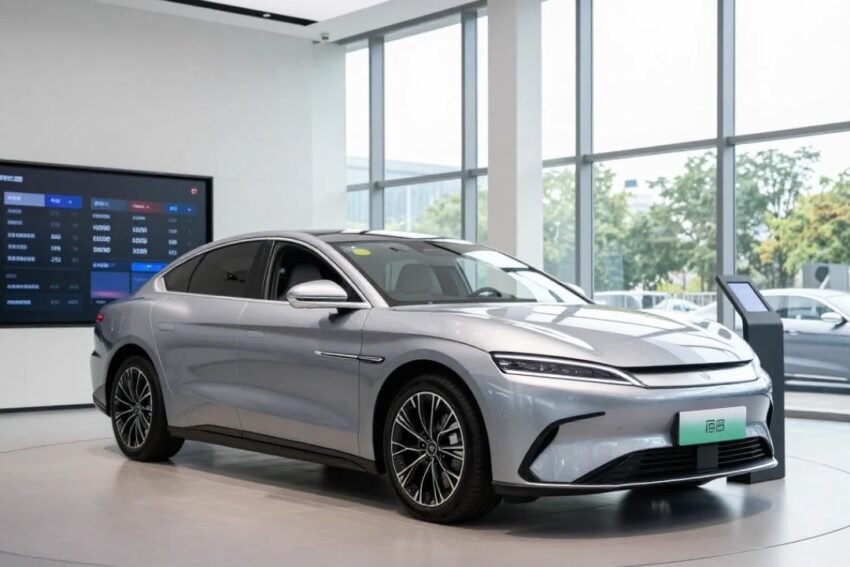
The automotive industry is changing faster than ever. New technologies, electric vehicles, advanced safety systems, connected-car features, and improved fuel efficiency are reshaping the way people think about cars. At the same time, traditional gasoline and hybrid vehicles remain important choices for millions of drivers around the world.
Whether you are planning to buy a new car, compare different models, follow the latest automotive news, or simply understand where the car industry is heading, staying informed can help you make better decisions.
This complete automotive and cars guide explores the latest car trends, important technologies, popular vehicle types, buying tips, maintenance advice, and factors to consider before purchasing a vehicle.
The Automotive Industry in 2026
The automotive market in 2026 is increasingly focused on technology, efficiency, safety, and convenience. Automakers are investing heavily in electric vehicles while continuing to improve gasoline-powered and hybrid models.
Modern cars are no longer simply machines designed to transport passengers. They increasingly function as connected digital platforms, offering large touchscreen displays, smartphone integration, wireless updates, driver-assistance technology, advanced navigation, and sophisticated entertainment systems.
Another major trend is the growth of software-defined vehicles. Automakers are using software to control more vehicle functions and provide updates after a car has been purchased. This can allow manufacturers to improve certain features without requiring a traditional visit to a dealership.
For consumers, these developments mean that choosing a car now involves more than comparing engine size and fuel economy. Technology, charging capability, software, safety systems, ownership costs, and long-term reliability can all play an important role.
Latest Automotive Trends to Watch
1. Electric Vehicles Continue to Grow
Electric vehicles, commonly known as EVs, remain one of the biggest trends in the automotive industry.
Unlike conventional cars, EVs use electric motors powered by rechargeable batteries. They produce no tailpipe emissions and generally require less routine mechanical maintenance because they have fewer moving components in the powertrain.
Manufacturers are expanding their electric lineups across multiple segments, including compact cars, luxury sedans, family SUVs, pickup trucks, and performance vehicles.
Battery technology is also improving. Longer driving ranges and faster charging are helping address two of the biggest concerns associated with electric vehicles.
However, EV ownership still depends heavily on charging availability. Buyers should consider whether they have convenient access to home, workplace, or public charging before choosing an electric car.
2. Hybrid Cars Remain an Important Choice
Hybrid vehicles combine an internal-combustion engine with an electric motor and battery system. They can provide better fuel efficiency than many conventional gasoline cars while avoiding some of the charging requirements associated with fully electric vehicles.
Plug-in hybrid vehicles take this concept further by using a larger battery that can be charged externally. They can often drive a certain distance using electricity before switching to conventional hybrid operation.
For buyers who want improved efficiency but are not ready to move completely to an EV, hybrids can provide a practical middle ground.
3. Advanced Driver-Assistance Systems
Modern cars increasingly include advanced driver-assistance systems, or ADAS. These technologies are designed to help drivers monitor their surroundings and respond to potential hazards.
Depending on the vehicle, available systems may include:
- Adaptive cruise control
- Automatic emergency braking
- Blind-spot monitoring
- Lane-departure warning
- Lane-keeping assistance
- Traffic-sign recognition
- Rear cross-traffic alert
- Parking assistance
- Surround-view cameras
It is important to understand that most driver-assistance technologies do not make a vehicle fully autonomous. Drivers are still responsible for paying attention and maintaining control unless a specific system is explicitly designed and legally approved for a different level of automation.
4. Connected Cars and Smart Technology
Connectivity has become a major part of the modern automotive experience.
Many new vehicles can connect to smartphones and the internet, allowing drivers to access navigation, music, phone calls, vehicle information, and other services.
Some vehicles also offer smartphone apps that can display information such as fuel level, charging status, vehicle location, maintenance reminders, or remote-start functionality.
Over-the-air software updates are another growing feature. Similar to smartphones, compatible vehicles can receive certain software improvements without requiring a physical service appointment.
5. Bigger and Smarter Infotainment Screens
Large infotainment displays have become common in new cars. Depending on the model, screens can control navigation, climate settings, audio, vehicle settings, and connected services.
Apple CarPlay and Android Auto are also important features for many buyers because they allow compatible smartphones to interact with the vehicle’s infotainment system.
However, a larger screen is not automatically better. Buyers should check whether the interface is easy to use while driving and whether important controls can be accessed without excessive menu navigation.
Popular Types of Cars
Choosing the right type of vehicle is one of the most important steps in the car-buying process.
Sedans
Sedans remain popular among drivers who prioritize comfortable road manners, fuel efficiency, and a traditional car design.
Compact sedans can be affordable and easy to park, while midsize and full-size sedans often provide additional passenger space and luxury features.
Sedans can be especially attractive to commuters who do not require the cargo flexibility of an SUV.
SUVs
Sport utility vehicles have become one of the most popular categories in the global automotive market.
SUVs generally offer higher seating positions, flexible cargo areas, and more interior space than traditional sedans. They are available in compact, midsize, and full-size configurations.
Compact SUVs are suitable for urban families, while larger SUVs can provide three-row seating for bigger households.
Pickup Trucks
Pickup trucks remain particularly important in markets where towing, hauling, and off-road capability are priorities.
Modern pickup trucks are available with gasoline, diesel, hybrid, and electric powertrains depending on the manufacturer and market.
When buying a truck, buyers should pay close attention to towing capacity, payload capacity, bed dimensions, drivetrain, and fuel or energy consumption.
Sports Cars
Sports cars focus on performance, handling, acceleration, and driving enjoyment.
They may feature powerful engines, lightweight construction, advanced suspension systems, performance brakes, and specialized tires.
However, sports cars can be less practical as daily vehicles because of limited cargo space, higher insurance costs, and potentially greater maintenance expenses.
Electric Cars
Electric cars are becoming available across more price points and vehicle categories.
Their biggest advantages can include quiet operation, instant electric torque, and lower routine powertrain maintenance. However, charging time, charging infrastructure, battery range, and purchase price remain important considerations.
How to Choose the Right Car
Buying a car is a major financial decision, so it is important to evaluate your actual needs instead of focusing only on appearance or horsepower.
Consider Your Budget
Start by establishing a realistic budget. Do not consider only the advertised vehicle price.
Your total ownership cost can include:
- Monthly loan payments
- Insurance
- Fuel or electricity
- Registration and taxes
- Maintenance
- Tires
- Repairs
- Depreciation
- Charging equipment for an EV
A car that appears inexpensive to purchase may become expensive over several years if it has high fuel consumption, insurance costs, or maintenance expenses.
Decide Between New and Used
A new car offers the latest technology, a factory warranty, and the opportunity to select your preferred configuration.
Used cars can provide better value because the first owner typically absorbs a significant portion of depreciation. However, buyers need to pay closer attention to mileage, service history, accident records, previous ownership, and mechanical condition.
A professional inspection can be worthwhile when purchasing a used vehicle.
Compare Fuel Economy
Fuel economy can have a major effect on long-term ownership costs.
If you drive many miles each year, choosing a fuel-efficient car or hybrid can potentially save a substantial amount over time.
For EV buyers, compare estimated range, charging speed, battery capacity, and electricity costs rather than looking at range alone.
Understanding Car Reviews
Automotive reviews can be extremely useful, but they should be read carefully.
A good car review should discuss more than styling and acceleration. Look for information about:
- Ride comfort
- Handling
- Cabin quality
- Seat comfort
- Interior space
- Cargo capacity
- Infotainment
- Visibility
- Safety features
- Fuel economy
- Real-world performance
- Reliability considerations
- Value for money
Professional reviews can help you understand a vehicle’s strengths and weaknesses, while owner reviews can provide insight into long-term ownership experiences.
No single review should determine your purchase. Comparing multiple reliable sources is a better approach.
What to Check During a Test Drive
A test drive is one of the most important parts of buying a car.
Do not simply drive around the dealership for five minutes. If possible, experience different road conditions.
Pay attention to:
Comfort: Are the seats supportive? Is the suspension comfortable?
Visibility: Can you easily see around the vehicle?
Steering: Does the steering feel natural and predictable?
Braking: Does the vehicle stop smoothly?
Acceleration: Is the engine or electric motor responsive enough for your needs?
Noise: Is road, wind, or engine noise acceptable?
Technology: Is the infotainment system easy to understand?
Space: Can passengers sit comfortably in both front and rear seats?
If possible, test the car in parking areas, city traffic, and highway conditions.
Car Safety Should Be a Priority
Safety should never be treated as an optional consideration.
When comparing vehicles, look at crash-test results from recognized safety organizations relevant to your country or market.
Also consider the standard and optional safety equipment.
Important features can include automatic emergency braking, blind-spot monitoring, adaptive cruise control, lane assistance, multiple airbags, electronic stability control, and advanced camera systems.
Remember that technology is only part of vehicle safety. Tire condition, brakes, seat-belt use, driver attention, and responsible driving remain essential.
Car Maintenance Guide
Regular maintenance can help protect your investment and reduce the risk of unexpected repairs.
Follow the manufacturer’s recommended maintenance schedule. Depending on the vehicle, routine service can include:
- Engine oil and filter changes
- Brake inspections
- Tire rotation
- Tire replacement
- Battery checks
- Air-filter replacement
- Coolant inspection
- Brake-fluid service
- Transmission service
EVs generally have fewer routine powertrain maintenance requirements than gasoline vehicles, but they still need tire, brake, suspension, cooling-system, and other inspections.
Ignoring warning lights or unusual noises can turn a relatively small issue into a more expensive repair.
Automotive Technology and the Future
The future of automotive technology will likely involve a combination of electrification, connectivity, automation, and artificial intelligence.
Artificial intelligence is already being used in areas such as driver assistance, predictive maintenance, voice interfaces, navigation, manufacturing, and vehicle development.
Autonomous driving technology is another area receiving significant investment. However, fully autonomous vehicles that can operate anywhere without human supervision remain a complex technical and regulatory challenge.
Future vehicles may also communicate more effectively with charging networks, traffic infrastructure, smartphones, and other connected devices.
As vehicles become increasingly software-driven, cybersecurity will also become more important. Protecting connected vehicles against unauthorized access and malicious software will be an important part of future automotive development.
How Much Should You Spend on a Car?
There is no single budget that works for everyone.
Instead of choosing a vehicle based on the maximum loan amount a lender offers, consider your complete monthly financial situation.
A sensible car budget should leave enough room for housing, food, savings, insurance, emergencies, and other regular expenses.
You should also consider the long-term ownership cost. A slightly more expensive fuel-efficient vehicle may cost less to operate than a cheaper vehicle with poor fuel economy.
Similarly, an affordable used car may provide excellent value if it has a strong maintenance history.
Final Thoughts
The automotive and cars industry is entering an exciting period of change. Electric vehicles are becoming more capable, hybrid technology remains popular, driver-assistance systems are increasingly sophisticated, and connected-car technology is transforming the driving experience.
At the same time, traditional gasoline vehicles, SUVs, pickup trucks, sedans, and performance cars remain important choices for different types of drivers.
For consumers, the best approach is to focus on personal needs rather than automotive trends alone. Consider your budget, driving habits, passenger requirements, fuel or charging options, safety priorities, reliability expectations, and long-term ownership costs.
Whether you are researching the latest car models, comparing SUVs, considering an electric vehicle, looking for a fuel-efficient family car, or simply following automotive news, informed research can help you make a smarter decision.
The best car is not necessarily the newest, fastest, or most expensive model. It is the vehicle that provides the right combination of price, reliability, comfort, safety, performance, technology, and practicality for your individual needs.