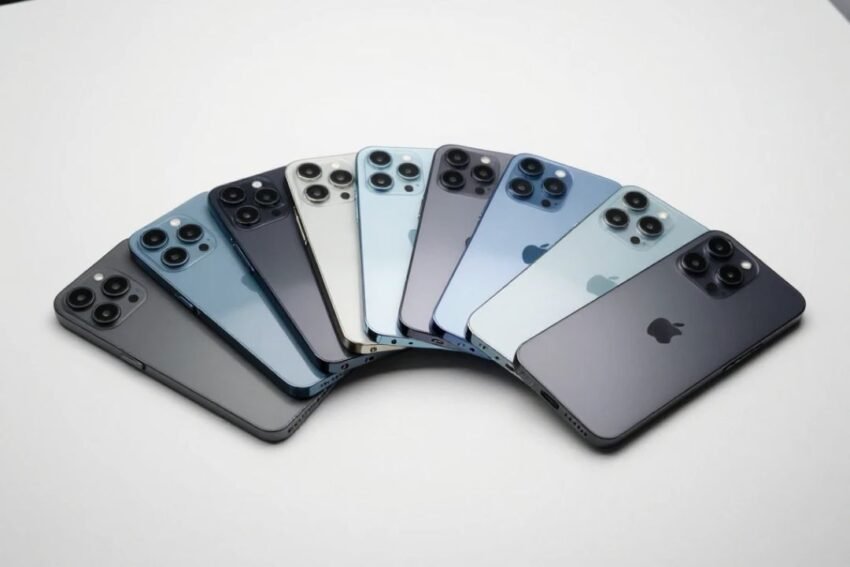
Smartphone cameras have become remarkably powerful, making it possible to capture professional-looking photos and high-quality videos without carrying a dedicated camera. From advanced sensors and optical zoom to computational photography and AI-powered image processing, modern smartphones offer features that were once limited to expensive cameras.
If photography and video recording are important to you, choosing the right phone can make a major difference. The best camera phones in 2026 combine excellent hardware with intelligent software, reliable stabilization, strong low-light performance, and versatile camera systems.
In this guide, we explore the 10 best camera phones in 2026 for photography and video, covering flagship models that stand out for portraits, landscapes, night photography, zoom, selfies, and video recording.
What Makes a Smartphone Camera Good?
Before choosing one of the best camera phones, it is useful to understand what actually makes a phone camera perform well. A high megapixel number does not automatically mean better image quality.
Several factors work together to produce excellent results.
Camera Sensor
The camera sensor captures light and plays an important role in image quality. Larger sensors can generally capture more light, which can improve details, dynamic range, and low-light photography.
Image Processing
Modern smartphones use powerful processors and computational photography to improve photos. Software can automatically adjust exposure, colors, sharpness, shadows, and highlights.
Optical Zoom
A dedicated telephoto camera can provide better zoom quality than simply cropping an image digitally. Phones with multiple focal lengths are particularly useful for travel, wildlife, portraits, and distant subjects.
Video Stabilization
Optical image stabilization and electronic stabilization help reduce unwanted movement when recording video. This is especially important when filming while walking or shooting handheld.
Low-Light Performance
Night photography is one of the biggest tests for a smartphone camera. Good phones use larger sensors, wide apertures, multi-frame processing, and specialized night modes to produce brighter and more detailed images.
1. Apple iPhone 17 Pro Max
The iPhone Pro series remains one of the strongest choices for people who want a smartphone that performs well for both photography and video. The iPhone 17 Pro Max is designed for users who want a versatile camera system combined with powerful video capabilities.
Its camera setup is particularly attractive to content creators who record social media videos, travel footage, interviews, and everyday moments.
Apple’s image processing helps produce natural-looking photos with consistent colors and strong dynamic range. Portrait photography is another area where the iPhone performs well, particularly when separating subjects from backgrounds.
For video, Apple’s focus on stabilization, exposure consistency, audio quality, and professional controls makes the Pro Max a strong option.
Best for: Video recording, content creation, portraits, and everyday photography.
2. Samsung Galaxy S26 Ultra
Samsung’s Ultra smartphones are known for offering one of the most versatile camera systems available on a smartphone. The Galaxy S26 Ultra continues this approach with a strong combination of wide, ultrawide, and telephoto photography.
One of its biggest advantages is zoom. A powerful telephoto system allows photographers to capture subjects from a distance while retaining significantly more detail than standard digital cropping.
The phone is also suitable for landscape photography because its ultrawide camera can capture a wider field of view.
Samsung’s image processing tends to produce vibrant images that look impressive on smartphone displays. This can be especially appealing for social media users who want photographs that stand out immediately.
Video recording is another important strength, with advanced stabilization and high-resolution recording options making the phone useful for creators.
Best for: Zoom photography, landscapes, travel, and versatile smartphone photography.
3. Google Pixel 10 Pro XL
Google’s Pixel smartphones have built a strong reputation for computational photography. Instead of relying only on camera hardware, Google combines sensors with sophisticated software processing to improve image quality.
The Pixel 10 Pro XL is a strong choice for people who want excellent photographs without spending a lot of time adjusting manual camera settings.
Pixel phones are particularly good at handling challenging lighting conditions. Google’s processing can preserve details in shadows and highlights while maintaining natural-looking colors.
Portrait photography is another area where Pixel devices can perform impressively. Skin tones, facial details, and background separation are important elements of the experience.
For everyday photographers, the biggest advantage is convenience: point the phone at a subject, press the shutter, and let the software handle much of the work.
Best for: Point-and-shoot photography, portraits, night photography, and computational photography.
4. Xiaomi 16 Ultra
Xiaomi’s Ultra series targets users who want a smartphone with serious photography hardware. The Xiaomi 16 Ultra is positioned as a premium camera phone with an emphasis on sensor performance, optical zoom, and detailed images.
Large camera sensors can provide advantages in difficult lighting conditions, while advanced image processing helps optimize photographs after they are captured.
The phone can be particularly appealing to photography enthusiasts who want greater control over their images. Manual camera options can allow users to adjust settings such as exposure, shutter speed, ISO, and focus.
Its multiple cameras also provide flexibility when switching between different types of photography.
Best for: Photography enthusiasts, manual controls, detailed images, and low-light photography.
5. OnePlus 14 Pro
OnePlus has increasingly focused on improving smartphone photography, and the OnePlus 14 Pro is an appealing option for users who want flagship-level performance.
The camera system is designed to handle everyday photography, portraits, landscapes, and video recording. Image processing aims to produce balanced photographs without requiring complicated adjustments.
OnePlus devices can also be attractive to users who care about overall phone performance. A powerful processor, responsive display, and fast software experience make it suitable for both photography and demanding applications.
For people who want a phone that works well as both a camera and an everyday flagship, the OnePlus 14 Pro deserves consideration.
Best for: Everyday photography, performance, portraits, and video.
6. Sony Xperia 1 VII
Sony takes a different approach to smartphone photography. The Xperia line is designed with photographers and videographers in mind, providing controls that resemble those found on dedicated cameras.
The Sony Xperia 1 VII is particularly interesting for users who prefer manual control over automatic processing. Experienced photographers can adjust settings to achieve a specific creative result.
Sony’s video capabilities are also attractive for people who want greater control over recording. Manual exposure and focus options can be useful for filmmakers and serious content creators.
Rather than trying to make every photo look heavily processed, Sony generally focuses on giving users more control over the final result.
Best for: Professional-style controls, videography, manual photography, and enthusiasts.
7. Oppo Find X9 Pro
Oppo’s Find X series has become increasingly competitive in the premium smartphone camera market. The Find X9 Pro focuses on photography versatility, portrait shooting, and advanced image processing.
Portrait photography is particularly important for many smartphone users, and Oppo’s camera system is designed to produce attractive subject separation and detailed images.
The phone can also be useful for travel photography because multiple focal lengths allow photographers to capture everything from wide landscapes to closer subjects.
For users who want a stylish flagship with a strong camera system, the Find X9 Pro is worth considering.
Best for: Portraits, travel photography, and versatile shooting.
8. Vivo X300 Pro
Vivo’s flagship X series has developed a strong reputation for smartphone photography, especially in portrait and low-light scenarios.
The Vivo X300 Pro is aimed at users who prioritize camera performance but still want a modern flagship smartphone.
Telephoto photography can be one of its biggest attractions. A quality telephoto camera is useful for portraits because it can provide a more natural perspective while creating attractive background compression.
The phone is also designed for users who enjoy photographing people, events, food, travel destinations, and nighttime scenes.
Best for: Portrait photography, telephoto shots, events, and low-light images.
9. Huawei Pura Series
Huawei’s Pura series continues to focus heavily on smartphone photography. These devices are designed for users who place camera quality high on their list of priorities.
Huawei smartphones have traditionally emphasized detailed image capture, strong zoom capabilities, and computational photography.
A versatile camera system can make the Pura series useful for travel photographers who frequently switch between wide-angle and zoom photography.
However, availability and software features can vary depending on the market, so buyers should check local compatibility and services before purchasing.
Best for: Photography enthusiasts, zoom, travel photography, and detailed images.
10. Google Pixel 10 Pro
For users who want flagship camera performance in a slightly more compact package, the Google Pixel 10 Pro is another excellent option.
Its strength is the combination of capable camera hardware and computational photography. Google’s software can automatically optimize images, making it easy for beginners to capture attractive results.
The phone is particularly suitable for portraits, street photography, food photography, and everyday moments.
It is also a good choice for people who prefer a camera that requires minimal manual adjustment.
Best for: Everyday photography, portraits, street photography, and easy point-and-shoot results.
Best Camera Phones 2026: Quick Comparison
| Phone | Best For | Main Strength |
| iPhone 17 Pro Max | Video | Professional-style video |
| Samsung Galaxy S26 Ultra | Zoom | Versatile telephoto system |
| Google Pixel 10 Pro XL | Photography | Computational photography |
| Xiaomi 16 Ultra | Enthusiasts | Camera hardware and controls |
| OnePlus 14 Pro | All-round use | Performance and camera balance |
| Sony Xperia 1 VII | Videography | Manual controls |
| Oppo Find X9 Pro | Portraits | Portrait photography |
| Vivo X300 Pro | Telephoto | Portrait and zoom photography |
| Huawei Pura Series | Photography | Detailed imaging |
| Google Pixel 10 Pro | Everyday photos | Point-and-shoot photography |
How to Choose the Best Camera Phone for You
The best camera phone is not necessarily the most expensive model. Your choice should depend on the type of photography and video you regularly create.
If you record YouTube videos, TikToks, Instagram Reels, or travel videos, prioritize video stabilization, microphone quality, autofocus, and high-resolution recording.
If you enjoy photographing distant subjects, choose a phone with a strong telephoto camera and optical zoom.
For night photography, look for a larger sensor, optical stabilization, and strong computational photography.
Portrait photographers should consider phones with dedicated telephoto cameras because they can produce flattering perspectives and natural background separation.
If you simply want great photos without adjusting settings, Google’s Pixel series can be especially appealing because computational photography handles many complex decisions automatically.
Camera Phone vs. Dedicated Camera
Modern smartphones can replace traditional cameras for many everyday situations, but dedicated cameras still have advantages.
A mirrorless or DSLR camera typically provides larger sensors, interchangeable lenses, greater manual control, and better flexibility for professional photography.
However, smartphones have an important advantage: convenience.
Your phone is usually already in your pocket. It can automatically process images, share them instantly, record high-quality video, and edit content without requiring additional equipment.
For social media creators, travelers, students, and casual photographers, a flagship smartphone can therefore be a very practical alternative to carrying a dedicated camera.
Tips for Taking Better Photos With Your Phone
Even the best camera phones cannot automatically create a perfect photograph in every situation. A few simple techniques can significantly improve your results.
Use Natural Light
Whenever possible, use soft natural light. Harsh overhead sunlight can create strong shadows, while morning and evening light can produce more attractive results.
Keep the Lens Clean
A dirty camera lens can make photos look blurry or hazy. Cleaning the lens with a soft cloth before shooting can make a surprisingly large difference.
Avoid Excessive Digital Zoom
Use optical zoom whenever available. Excessive digital zoom can reduce detail and introduce noise.
Experiment With Composition
Try the rule of thirds, leading lines, symmetry, and different camera angles. Good composition can make an ordinary subject look much more interesting.
Use Night Mode Carefully
Night mode can improve dark scenes, but keep the phone stable while the image is being captured. Moving subjects can still appear blurred.
Record Video in Good Lighting
Video quality depends heavily on lighting. Even a powerful smartphone camera can struggle when a scene is extremely dark.
Final Verdict
The 10 best camera phones in 2026 for photography and video offer impressive combinations of hardware, software, stabilization, zoom, and computational photography. Flagship models from Apple, Samsung, Google, Xiaomi, Sony, OnePlus, Oppo, Vivo, and Huawei provide different strengths for different types of users.
For video creators, an iPhone Pro model can be an excellent choice. Samsung’s Ultra range is particularly attractive for zoom and versatility, while Google’s Pixel phones stand out for computational photography and easy point-and-shoot results. Sony is appealing to users who want professional-style controls, while Xiaomi, Vivo, and Oppo provide strong alternatives for photography enthusiasts.
Ultimately, the best camera phone for you depends on your budget, preferred photography style, video requirements, and the features you use most often. Instead of choosing a phone simply because it has the highest megapixel count, consider the entire camera system, including sensor quality, stabilization, autofocus, optical zoom, image processing, and video capabilities.
As smartphone camera technology continues to evolve, 2026 offers more choices than ever for people who want to capture high-quality photos and videos directly from their phones.