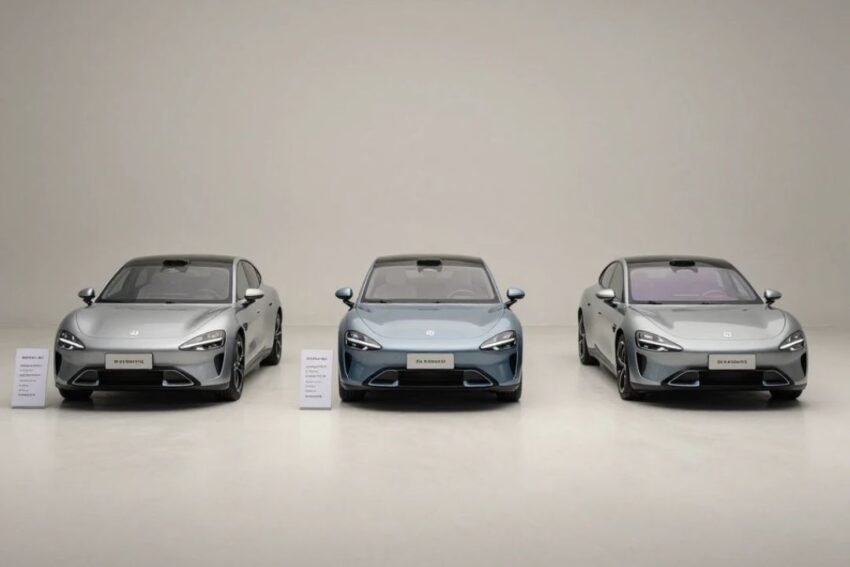
Electric cars have moved from being a niche alternative to becoming one of the most important parts of the modern automotive industry. In 2026, buyers have more electric vehicle (EV) choices than ever, ranging from affordable city cars and practical family SUVs to luxury sedans, high-performance vehicles, and long-range electric trucks.
Improved battery technology, faster charging, better software, and expanding charging networks are making EV ownership increasingly practical. At the same time, manufacturers are competing to offer longer driving ranges, more advanced technology, better interiors, and lower operating costs.
Whether you are considering your first EV or planning to replace an existing electric vehicle, understanding the best electric cars in 2026, their prices, features, and driving ranges can help you make a more informed decision.
What Are Electric Cars?
Electric cars are vehicles powered primarily by electricity stored in a rechargeable battery pack. Unlike conventional gasoline or diesel cars, battery-electric vehicles do not need an internal combustion engine to propel the wheels.
Electric motors provide instant torque, which allows many EVs to accelerate quickly and smoothly. Electricity can be added to the battery using home charging equipment, public charging stations, or high-speed DC fast chargers.
There are several types of electrified vehicles, including:
- Battery Electric Vehicles (BEVs): Powered entirely by electricity.
- Plug-in Hybrid Electric Vehicles (PHEVs): Combine a rechargeable battery with a gasoline engine.
- Hybrid Vehicles: Use an electric motor and gasoline engine but generally cannot be charged through a plug.
When people talk about electric cars, they are usually referring to fully electric battery-powered vehicles.
Why Are Electric Cars Becoming More Popular in 2026?
The popularity of electric cars continues to grow because EV technology has improved considerably. Earlier electric vehicles were sometimes criticized for limited range, slow charging, and high purchase prices. Many newer models address these concerns with larger batteries, more efficient motors, improved charging systems, and competitive pricing.
One of the biggest advantages is lower energy and maintenance costs. Electric motors have fewer moving parts than combustion engines, which can reduce the need for certain types of routine maintenance.
EVs also provide a quiet driving experience and instant acceleration. Many models now include sophisticated driver-assistance systems, smartphone integration, over-the-air software updates, and advanced infotainment technology.
Best Electric Cars in 2026
The electric car market includes a wide variety of models, so the “best” option depends on a buyer’s budget, lifestyle, driving habits, and charging access.
Here are some of the electric cars that stand out in different categories.
Tesla Model 3
The Tesla Model 3 remains one of the best-known electric sedans. Its popularity comes from a combination of range, performance, technology, and access to a broad charging ecosystem in many markets.
Depending on the configuration and market, the Model 3 can offer a long driving range and strong acceleration. Its minimalist interior includes a large central touchscreen, while software updates can introduce improvements after the vehicle has been purchased.
Key features include:
- Long-range versions
- Fast charging capability
- Advanced driver-assistance technology
- Minimalist interior
- Strong acceleration
- Over-the-air software updates
Pricing varies by market, trim, taxes, incentives, and options, so buyers should check local pricing before making a purchase.
Hyundai Ioniq 5
The Hyundai Ioniq 5 has become a popular choice for drivers who want distinctive styling, practical space, and fast charging.
Its dedicated EV platform allows for a spacious interior despite its relatively compact exterior dimensions. The vehicle is also known for its rapid DC charging capability, making it attractive for long-distance travel.
The Ioniq 5 can be a strong option for families and commuters looking for an electric crossover with modern technology and a comfortable cabin.
Kia EV6
The Kia EV6 combines crossover practicality with sporty styling. It shares technology with other Hyundai Motor Group electric vehicles while offering its own design and driving characteristics.
Depending on the version, buyers can choose between different power outputs and battery configurations. Higher-performance variants provide significantly stronger acceleration, while long-range versions prioritize efficiency and distance.
The EV6 is particularly appealing to drivers who want an electric vehicle that feels more dynamic than a conventional family crossover.
Ford Mustang Mach-E
The Ford Mustang Mach-E offers an electric SUV format with sporty styling and multiple configurations.
It provides useful cargo space, modern infotainment technology, and available all-wheel drive. Different battery and drivetrain options allow buyers to prioritize range or performance.
For drivers who want an electric family vehicle but do not want a traditional-looking EV, the Mach-E remains an interesting choice.
Volkswagen ID.4
The Volkswagen ID.4 is designed as a practical electric crossover for everyday driving. Its strengths include a comfortable cabin, useful interior space, and an approachable driving experience.
The ID.4 is particularly suited to families and commuters who want the benefits of an EV without moving into a luxury price category.
BMW i4
For buyers interested in a premium electric sedan, the BMW i4 offers a combination of luxury, performance, and electric efficiency.
The i4 provides the driving characteristics associated with BMW while replacing the traditional combustion powertrain with electric motors. Different versions are available, ranging from efficiency-focused configurations to high-performance variants.
Its premium interior and advanced technology make it suitable for buyers looking for an electric alternative to conventional luxury sedans.
Porsche Taycan
The Porsche Taycan occupies the high-performance end of the electric car market. It demonstrates how electric propulsion can deliver sports-car levels of acceleration while maintaining premium comfort.
The Taycan is available in multiple configurations, with performance varying significantly depending on the version. It is aimed at buyers who prioritize performance, handling, luxury, and advanced engineering rather than affordability.
Electric Car Prices in 2026
Electric car prices vary significantly depending on the manufacturer, battery size, drivetrain, trim level, and country.
Affordable EVs are increasingly available, while premium electric vehicles can cost substantially more. Government incentives, tax credits, registration fees, import duties, and local market conditions can also affect the final price.
When comparing electric car prices, buyers should consider more than the sticker price. A vehicle with a higher initial cost may have lower energy and maintenance expenses over several years.
Important ownership costs include:
- Purchase price
- Financing costs
- Insurance
- Home charging equipment
- Electricity costs
- Public charging fees
- Tire replacement
- Routine maintenance
- Depreciation
For this reason, comparing total ownership costs can provide a more realistic picture of an EV’s affordability.
Electric Car Range: How Far Can EVs Travel?
Driving range is one of the most important factors when choosing an electric car.
Modern EVs can provide substantially different ranges depending on their battery size, efficiency, aerodynamics, weight, tires, and software. Some compact electric cars are designed primarily for urban driving, while long-range models are engineered for highway travel.
A vehicle advertised with a specific range may not achieve exactly that figure in every situation. Real-world range can be affected by:
- Cold weather
- High speeds
- Heavy loads
- Strong air conditioning or heating use
- Driving style
- Hills and mountainous roads
- Tire pressure
- Battery temperature
For everyday commuting, a moderate-range EV may be more than sufficient. Drivers who regularly travel long distances may want to prioritize a model with greater range and fast-charging capability.
Electric Car Charging in 2026
Charging technology has improved rapidly. EV owners can generally charge their vehicles at home or use public charging stations.
Home Charging
Home charging is convenient because the vehicle can be plugged in while parked overnight. A dedicated home charging system can provide considerably more power than a standard household outlet.
For drivers with predictable daily schedules, overnight charging can eliminate the need to visit public charging stations frequently.
Public Charging
Public charging networks are particularly important for people who cannot install home charging equipment or regularly travel long distances.
Public chargers range from slower AC chargers to high-powered DC fast chargers. Charging speed depends on both the charger and the vehicle’s maximum charging capability.
Fast Charging
DC fast charging can add a significant amount of driving range during a relatively short stop. However, charging speeds are not constant throughout the entire battery cycle. Vehicles generally charge faster at lower battery percentages and slow down as the battery approaches a high state of charge.
Battery Technology in Electric Cars
The battery is one of the most important components of an EV. Most modern electric cars use lithium-ion battery technology, although manufacturers continue to develop new battery chemistries and designs.
Battery development is focused on several major goals:
- Higher energy density
- Faster charging
- Longer battery life
- Lower production costs
- Improved safety
- Reduced dependence on certain raw materials
Battery management systems also play an important role. They monitor temperature, charging, and battery condition to help maintain performance and durability.
Features to Look for in an Electric Car
When comparing the best electric cars in 2026, buyers should look beyond range and price.
Driving Range
Choose a range that matches your typical daily and weekly driving requirements.
Charging Speed
A vehicle with fast DC charging can be more convenient for road trips.
Battery Warranty
Check the manufacturer’s battery warranty and understand its coverage period and conditions.
Safety Technology
Look for features such as automatic emergency braking, lane-keeping assistance, blind-spot monitoring, adaptive cruise control, and other available driver-assistance technologies.
Interior Space
Families should consider passenger space, cargo capacity, rear-seat comfort, and storage.
Software and Connectivity
Modern EVs increasingly rely on software for navigation, charging management, infotainment, remote controls, and vehicle settings.
All-Wheel Drive
All-wheel drive can be useful for drivers who regularly encounter challenging road conditions, although it may affect efficiency and price.
Benefits of Electric Cars
Electric vehicles offer several potential advantages.
Lower operating costs: Electricity can be cheaper than gasoline on a per-mile basis depending on local energy prices and charging habits.
Reduced maintenance: EVs generally have fewer mechanical components that require routine service.
Quiet driving: Electric motors produce much less drivetrain noise than conventional engines.
Instant torque: Electric motors can deliver strong acceleration from a standstill.
Convenient home charging: Owners with suitable home charging setups can recharge while parked.
Zero tailpipe emissions: Battery-electric vehicles produce no tailpipe exhaust during operation.
Challenges of Electric Vehicles
Despite their advantages, EVs are not perfect for every driver.
The initial purchase price can still be higher than comparable gasoline vehicles in some market segments. Charging availability can also vary considerably between regions.
Long-distance travel may require more planning, particularly in areas with limited fast-charging infrastructure. Cold weather can reduce efficiency and available range, while battery degradation can gradually affect capacity over many years.
Used EV buyers should also pay attention to battery condition, remaining warranty coverage, charging history where available, and overall vehicle condition.
Are Electric Cars Worth Buying in 2026?
For many drivers, electric cars can be an excellent choice in 2026. The market now offers more body styles, price points, driving ranges, and performance levels than previous generations of EVs.
An electric car may be especially attractive if you have access to convenient home or workplace charging and primarily drive predictable daily distances.
However, the right decision depends on individual circumstances. Buyers should compare the purchase price, charging availability, expected annual mileage, electricity costs, insurance, maintenance, and long-distance driving requirements.
How to Choose the Best Electric Car
Before buying an EV, consider these questions:
- How many miles or kilometers do you drive each day?
- Can you install a home charger?
- How often do you take long road trips?
- What electric car price fits your budget?
- Do you need an SUV, sedan, hatchback, or truck?
- Is all-wheel drive important?
- How quickly does the vehicle charge?
- What battery warranty does the manufacturer provide?
- What safety and driver-assistance features are included?
- What will the total ownership cost be over several years?
Answering these questions can narrow down the choices and make the buying process easier.
The Future of Electric Cars
The electric vehicle industry is expected to continue evolving as manufacturers invest in battery technology, charging infrastructure, software, and vehicle efficiency.
Future EVs are likely to focus on faster charging, longer range, improved battery durability, more efficient electric motors, and increasingly sophisticated software.
Automakers are also expanding electric SUVs, pickup trucks, luxury vehicles, and affordable compact models. As competition increases, consumers may have more choices across different price ranges.
Final Thoughts
Electric cars in 2026 offer an increasingly broad combination of range, performance, technology, comfort, and efficiency. Models such as the Tesla Model 3, Hyundai Ioniq 5, Kia EV6, Ford Mustang Mach-E, Volkswagen ID.4, BMW i4, and Porsche Taycan demonstrate how diverse today’s EV market has become.
The best electric car is not necessarily the one with the longest range or the highest performance. Instead, it is the vehicle that fits your budget, driving habits, charging access, passenger needs, and long-term ownership expectations.
Before purchasing, compare electric car prices, range, charging speed, battery warranty, safety features, and total ownership costs. With careful research, buyers can find an EV that provides practical everyday transportation while taking advantage of the latest developments in electric vehicle technology.